2 ноября 2026 г. · Explore Ceylon team · 3 мин чтения
Kumana National Park- Bird Watching
🌱The Hidden Bird Paradise of Undisturbed Wilderness🌱
When people think of wildlife safaris in Sri Lanka, Yala or Udawalawe usually top the list. However, for the true traveler seeking the serene silence of nature away from the chaotic convoys of safari jeeps, Kumana National Park is the ultimate destination. Formerly known as Yala East, this breathtaking sanctuary is globally renowned as one of the finest and most peaceful bird paradises on the island.
The Landscape and Location
Located roughly 400 km away from Colombo in the southeastern corner of the Ampara district, Kumana stretches across 35,664 hectares of diverse ecosystems. The primary gateway to the park is the coastal town of Panama. The park's terrain is a beautiful blend of dense semi-evergreen forests, thorny scrublands, pristine sandy beaches, and expansive mangrove swamps.
Kumana Villu: The Heart of the Sanctuary
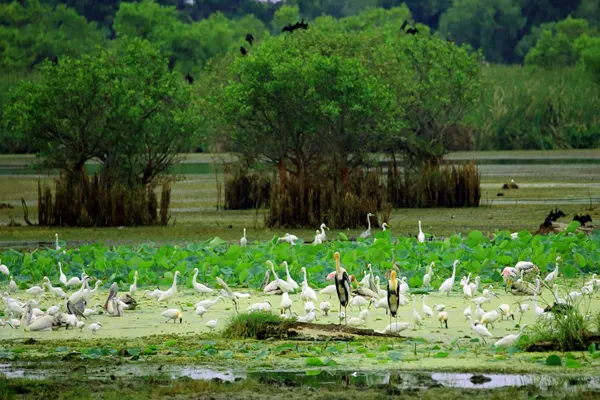
The crown jewel of the national park is undoubtedly the "Kumana Villu." Fed by the Kumbukkan Oya, this 200-hectare natural swamp lake serves as the primary feeding and nesting ground for thousands of migratory and resident birds.
Out of the 430 bird species recorded in Sri Lanka, over 255 species can be spotted right here in Kumana.
• Rare Sightings: It is one of the few places in Sri Lanka where you can catch a glimpse of the rare Black-necked Stork, Painted Storks, and Eurasian Spoonbills nesting in abundance.
• Migratory Season: From April to July, tens of thousands of birds fly in from as far as Siberia and Western Asia, transforming the wetlands into a vibrant, colorful spectacle.
Beyond the Birds: Mammals and Marine Life
While Kumana is celebrated as a bird sanctuary, it boasts a mammal population that rivals its famous neighbor, Yala.
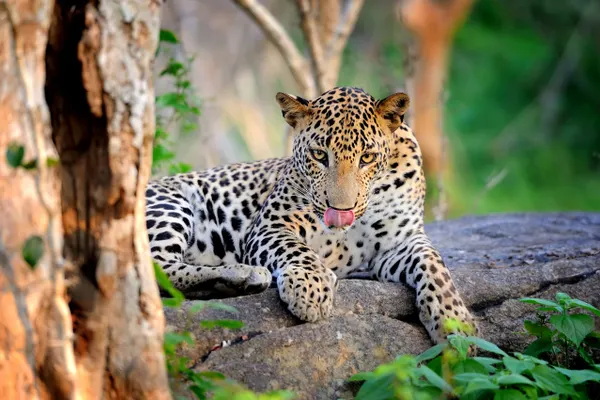
• Elephants and Leopards: Herd of wild elephants are a common sight roaming freely through the glades. Because the park sees fewer crowds, the resident Sri Lankan leopards are often much calmer and can be observed in their natural, undisturbed behavior.
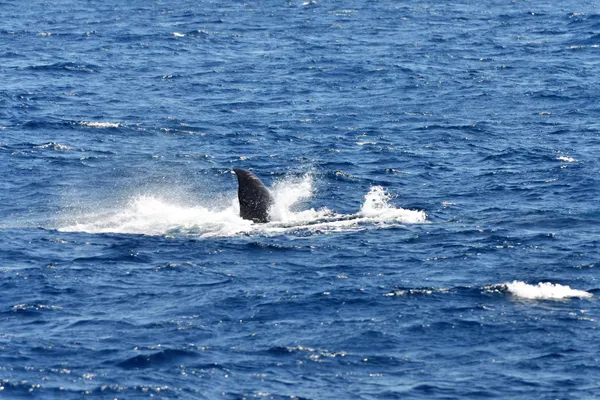
• Other Wildlife: Keep your eyes peeled for sloth bears, wild boars, spotted deer, mugger crocodiles basking in the lagoons, and green turtles that visit the coastal shores to lay their eggs.
Best Time to Visit
The absolute best time to plan a safari to Kumana is between April and July. This period aligns with the peak breeding and nesting season, ensuring that the mangroves and villus are alive with the sounds and sights of thousands of newborn chicks and vibrant flocks.
Practical Tips for Travelers
-
Embrace the Silence: The wildlife in Kumana is less accustomed to heavy vehicular noise than in other parks. Keeping your voice down and your vehicle quiet will reward you with much closer animal encounters.
-
Accommodation: For a truly immersive experience, the Department of Wildlife Conservation offers rustic bungalows (like the Thunmulla Bungalow) and campsites along the banks of the scenic Kumbukkan Oya. These must be booked well in advance.
-
Getting There: The park entrance is easily accessible from the famous surf town of Arugam Bay, taking about an hour's scenic drive through coastal lagoons.
Читать дальше