Explore Ceylon
Typically replies within minutes
Ayubowan! 👋
Planning a trip to Sri Lanka? Ask us about tour packages, airport transfers, or hotels — our local team replies fast.
Where will the island take you?
Where we'll take you
From ancient rock fortresses to whale-filled seas — every corner of the island, guided by locals who know it by heart.
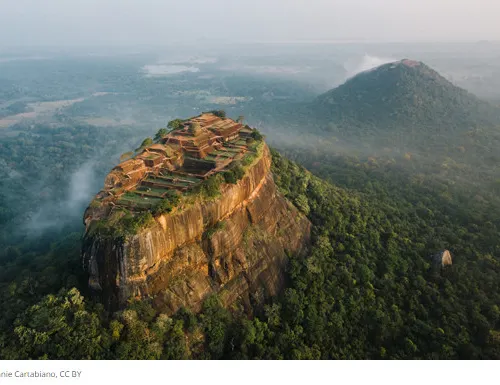
Rising 200 metres out of the dry-zone plains, Sigiriya is Sri Lanka’s single most iconic sight — a 5th-century royal citadel built on top of a colossal column of rock. Climb past the mirror wall and cloud-maiden frescoes to the lion’s paws, then on to the summit palace ruins for a 360° view over jungle, ancient tanks and distant blue hills.
Explore →
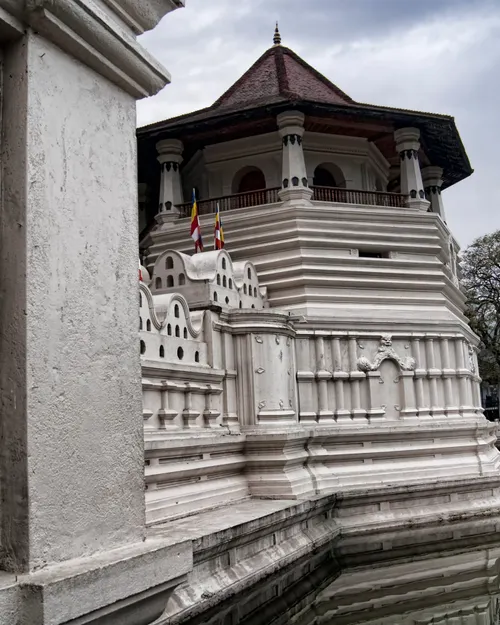
Ringed by misty hills and wrapped around a serene lake, Kandy was the last capital of the Sinhalese kings and remains the island’s cultural heart. Join the evening drummers at the Temple of the Sacred Tooth Relic, stroll the lakeside at dusk, wander the vast Peradeniya botanical gardens — then board the famous train that climbs into tea country.
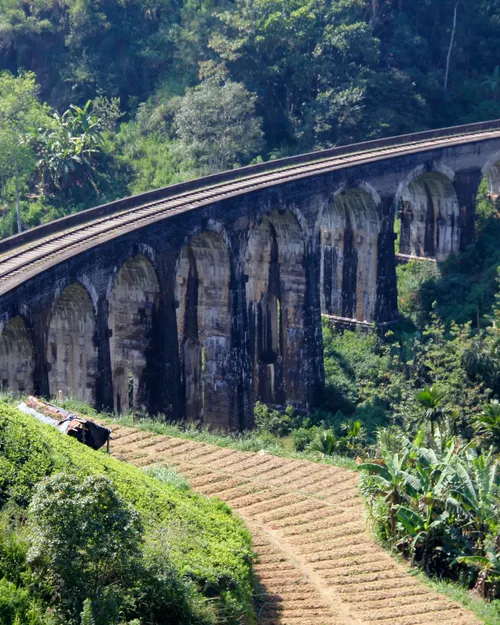
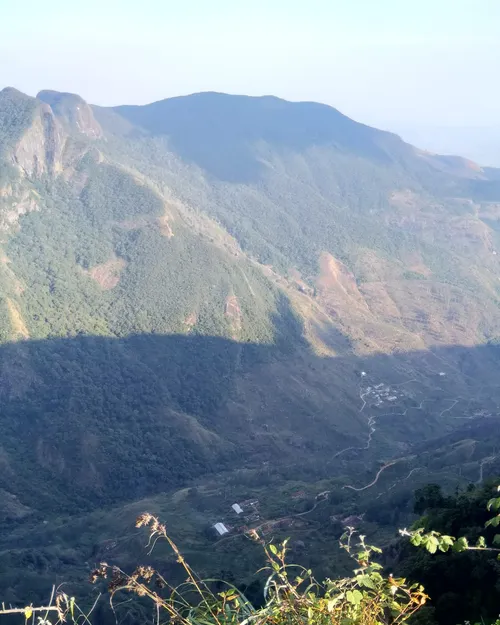
A one-street mountain town wedged into a gap in the hills, Ella is where Sri Lanka slows to a stroll. Hike to Little Adam’s Peak for sunrise, watch the blue train curve across the Nine Arch Bridge, cool off below Ravana Falls — then reward yourself with good coffee and a long lunch overlooking the endless green drop of Ella Gap.
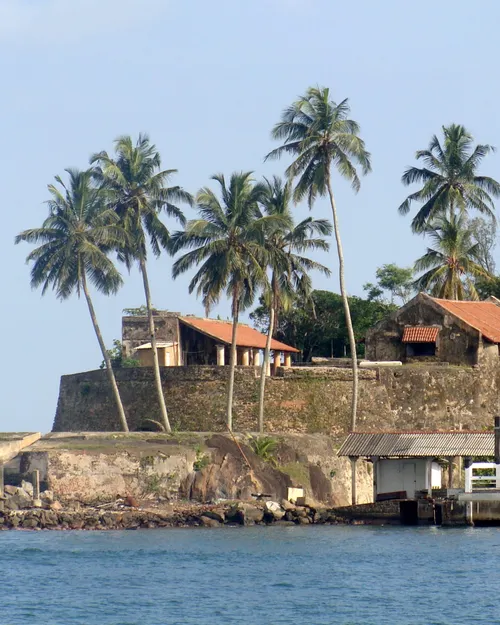
Behind massive coral-and-granite ramparts on Sri Lanka’s south coast, Galle Fort is a perfectly preserved Dutch colonial town — a UNESCO World Heritage grid of villa-lined lanes, boutique cafés, gem merchants and gallery courtyards. Walk the walls at golden hour, from the clock tower to the white lighthouse, as the whole town turns out for sunset.
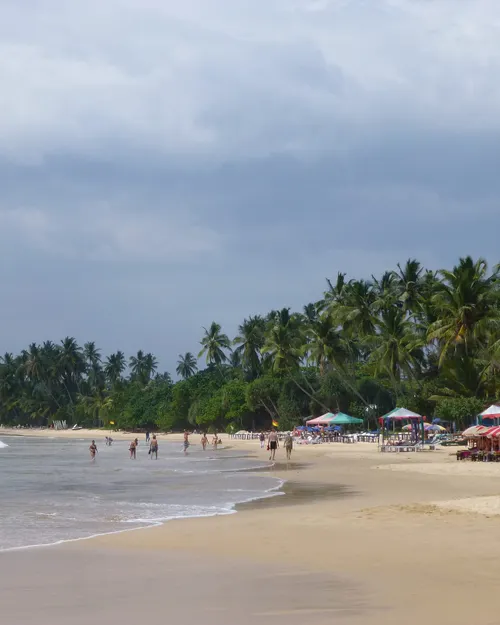
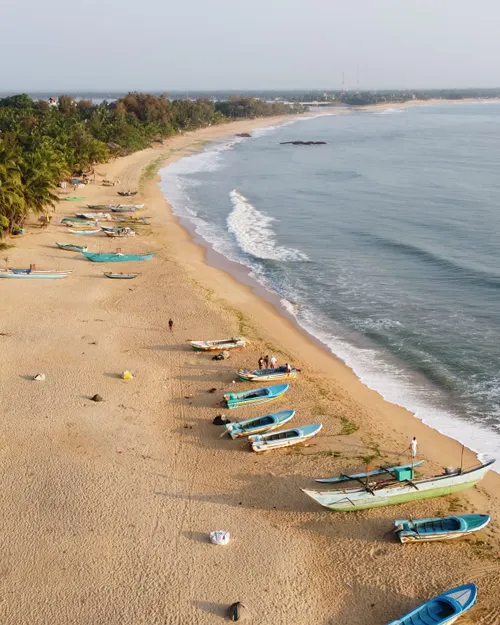
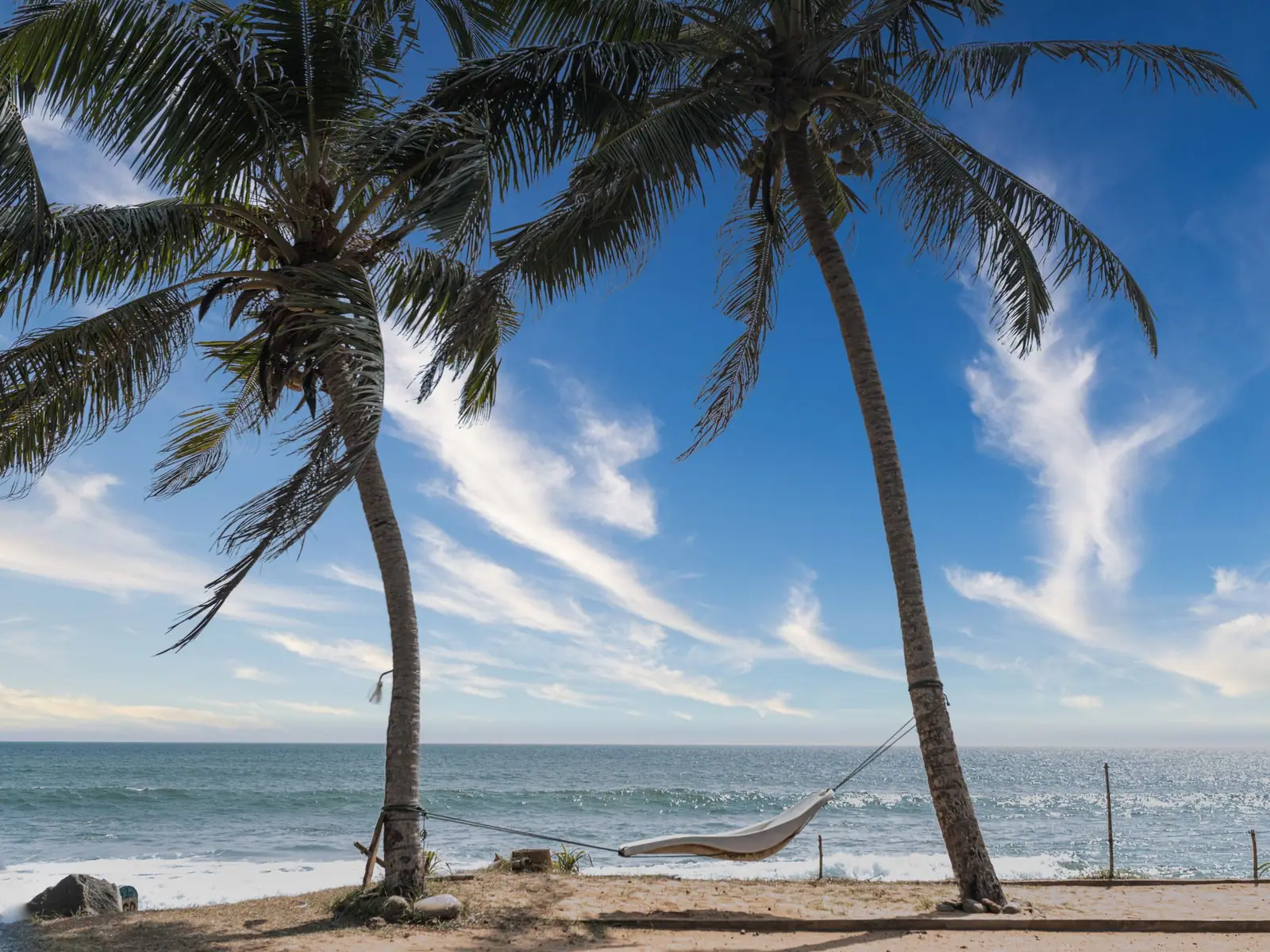
A palm-backed crescent of golden sand on the deep south coast, Mirissa is where Sri Lanka’s beach life peaks — surf lessons in gentle rollers, sundowners at Coconut Tree Hill, and grilled seafood served barefoot on the sand. Offshore, the continental shelf drops away so steeply that blue whales — the largest animals ever to live — cruise past from November to April.
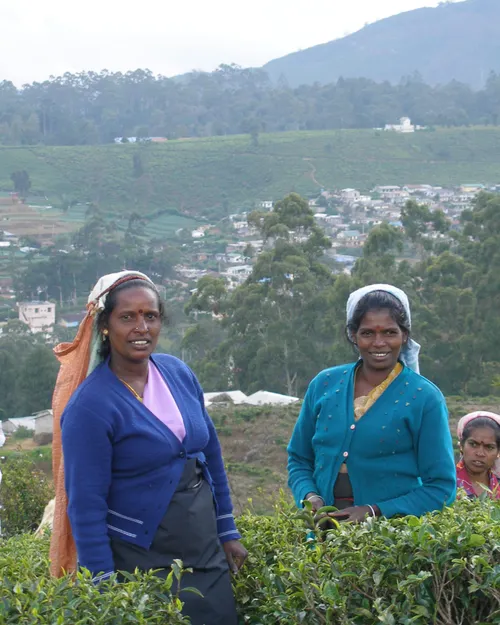
At 1,868 metres, Nuwara Eliya is Sri Lanka’s highest town and its most endearing anachronism — “Little England”, where colonial-era hotels, a rose-pink post office and manicured gardens sit wrapped in tea estates and mountain mist. Tour a working tea factory, boat on Gregory Lake, eat strawberries by the punnet, and wake early for Horton Plains.
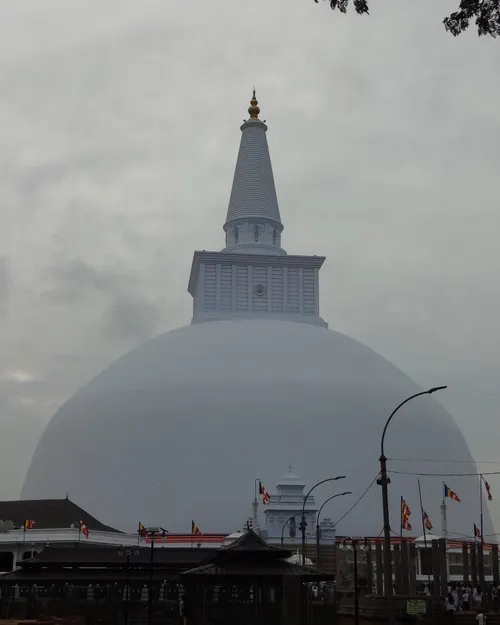
Sri Lanka’s first great capital ruled for some 1,300 years, and its sacred city still hums with pilgrims today. Cycle between colossal white stupas, bathe-worn ancient pools and the Sri Maha Bodhi — the oldest documented human-planted tree on Earth — in a UNESCO World Heritage landscape that feels less like a ruin and more like a living place of worship.
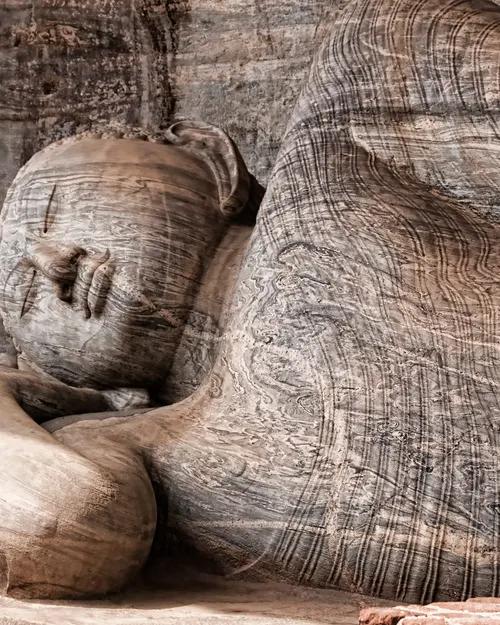
Sri Lanka’s medieval capital is the Cultural Triangle at its most effortless — a compact UNESCO World Heritage city of palaces, image houses and the sublime rock-cut Buddhas of Gal Vihara, all laced together by flat, shady lanes made for cycling. Add a vast 12th-century reservoir shimmering at its edge and troops of toque macaques in the ruins, and you have an unmissable day.
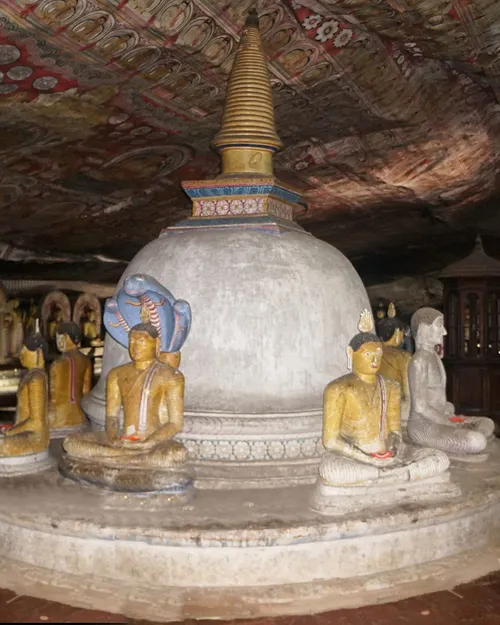
Beneath a vast granite outcrop in the heart of the Cultural Triangle, Dambulla’s Golden Cave Temple shelters five candlelit sanctuaries painted floor to ceiling and crowded with more than 150 Buddha statues — a living shrine in continuous use for over 2,000 years. It’s also the Triangle’s natural hub, within easy reach of Sigiriya, Kandy and the great elephant Gathering at Minneriya.
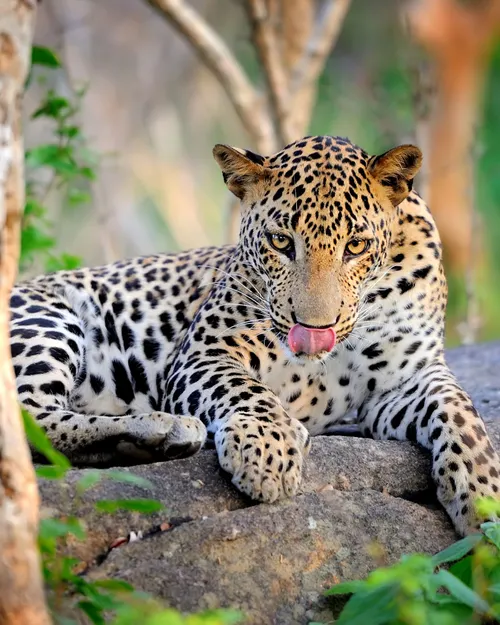
Sri Lanka’s most celebrated national park pairs one of the highest leopard densities on Earth with a hauntingly beautiful landscape of lagoons, grasslands and giant rock outcrops running down to the Indian Ocean. Elephants, sloth bears, crocodiles and more than 200 bird species share the stage — and every dawn game drive carries the electric possibility of a leopard on the road ahead.
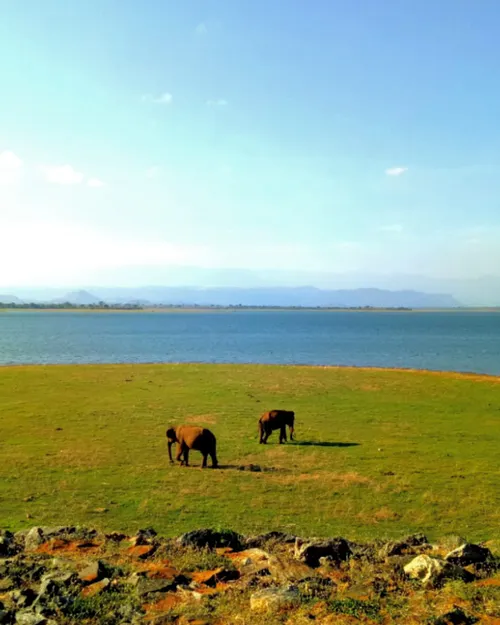
If you want to be certain of seeing wild elephants in Sri Lanka, this is the park. Udawalawe’s open, savannah-like plains around a great reservoir hold resident herds year-round, giving near-guaranteed sightings at astonishingly close range — plus buffalo, crocodiles and superb birdlife. Conveniently placed between the hill country and the south coast, it’s the island’s easiest world-class safari.
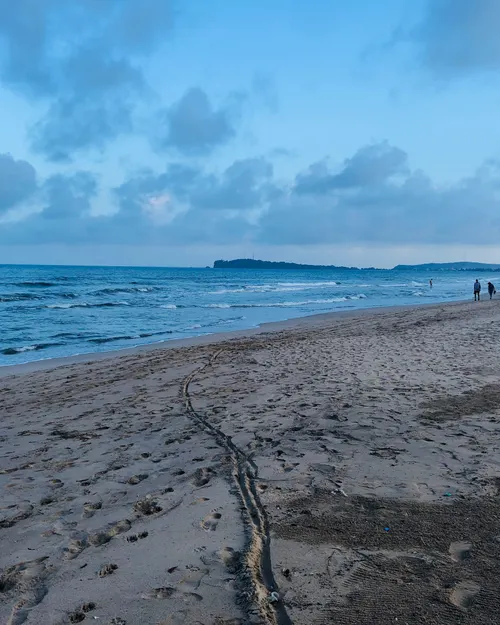
Built around one of the world’s great natural harbours, Trincomalee is the east coast at its most rewarding — a storied port town crowned by the clifftop Koneswaram Temple, flanked by the long white sands of Uppuveli and Nilaveli, and fronted by the coral gardens of Pigeon Island. Best of all, its season runs May to September, exactly when the southwest coast turns wet.
Arugam Bay is Sri Lanka’s surf capital and one of the world’s great surf towns — a crescent of golden sand on the wild east coast where a legendary right-hand point break peels for hundreds of metres. Between sessions there are lagoon safaris, wild elephants at dusk, an ancient seaside temple and a barefoot café strip that hums from May to September.
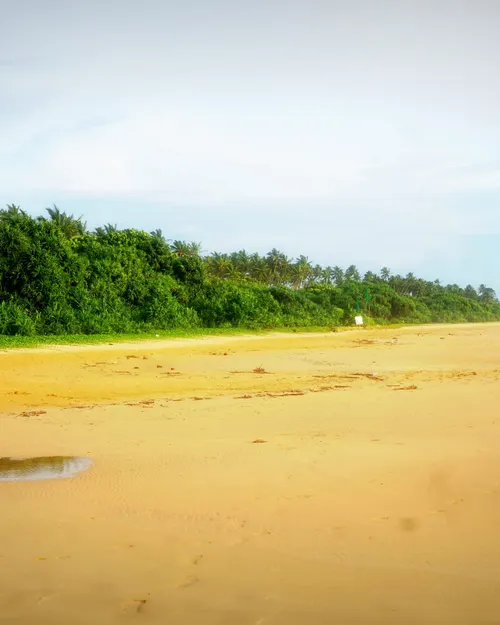
Bentota is Sri Lanka’s classic resort beach — a long ribbon of golden sand where a lazy river meets the Indian Ocean, an easy two-hour drive from the airport. Jet-ski the river, drift through the mangrove tunnels of the Madu River wetland, meet baby turtles at Kosgoda and wander Geoffrey Bawa’s garden masterpiece at Lunuganga, all from one sun-lounger base.
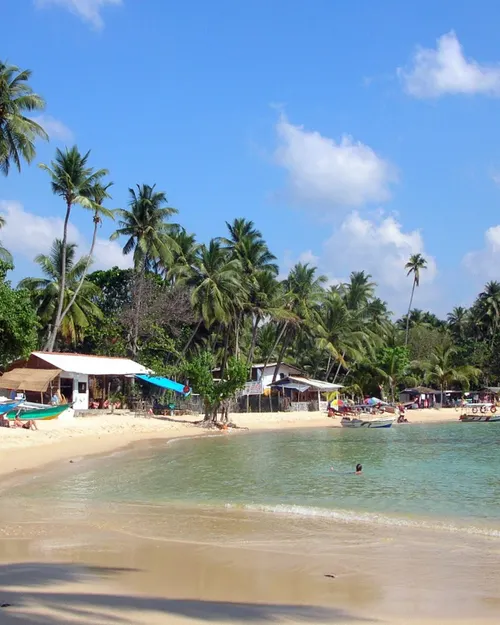
Unawatuna is the south coast’s favourite swimming bay — a palm-fringed crescent of calm, reef-sheltered water just minutes from Galle Fort. Swim safely year-round in the protected shallows, climb to the white Japanese Peace Pagoda, find the hidden cove of Jungle Beach, and finish with fresh seafood at a table in the sand as the lanterns come on.
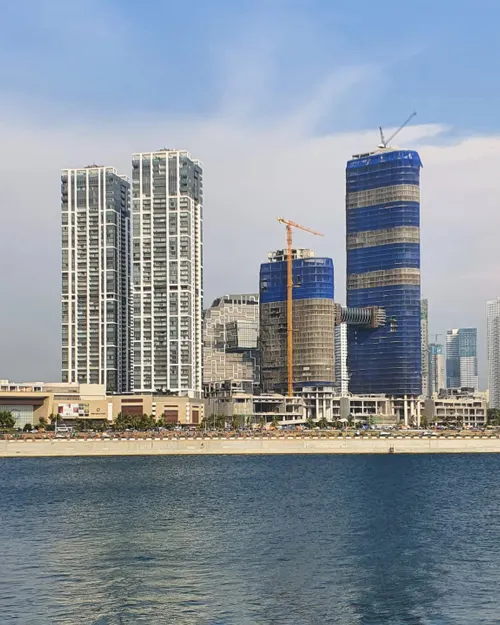
Colombo is Sri Lanka’s gateway and its beating commercial heart — a seafront capital where kites and kottu smoke fill Galle Face Green at sunset, Pettah’s bazaars roar beside a candy-striped mosque, and colonial-era Fort facades stand in the shadow of the Lotus Tower. Give it a day at either end of your trip and the island’s story snaps into focus.
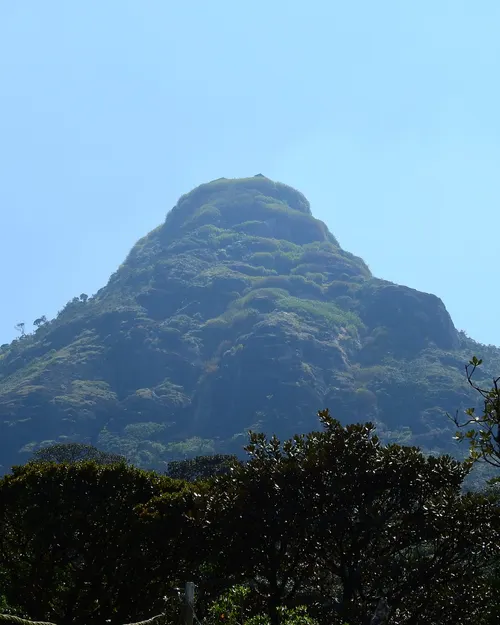
Adam’s Peak — Sri Pada, the sacred footprint — is Sri Lanka’s holiest mountain, a 2,243-metre cone climbed by night on a stairway of some 5,500 steps. Revered by Buddhists, Hindus, Muslims and Christians alike, it rewards pilgrims with a sunrise above the clouds and the mountain’s perfect triangular shadow cast across them. Season: December to May.
Horton Plains is Sri Lanka’s high, wild rooftop — a UNESCO-listed plateau of cloud forest and golden grassland above 2,100 metres, where a 9.5 km loop trail leads to the sheer 870-metre drop of World’s End and the mossy cascade of Baker’s Falls. Start before dawn, beat the mists, and share the path with sambar deer and birds found nowhere else on earth.