26. Juli 2026 · The Explore Ceylon Team · 6 Min. Lesezeit
Sri Lankan Food: A Delicious Guide to Rice & Curry, Hoppers, Kottu and Beyond
From the ritual spread of rice and curry to the midnight clatter of kottu roti, hoppers at dawn and Jaffna crab curry — what to eat in Sri Lanka, where to actually eat it, and an honest word about the chilli.
Auf dieser Seite
Sri Lankan food is one of the world's great underrated cuisines — and one of the best reasons to visit the island. It shares a pantry with South India but speaks its own language: coconut milk in everything, curry leaves and pandan sizzled in hot oil, Maldive fish for savoury depth, and a fearless hand with chilli. It is also, at heart, generous — a cuisine built around covering the table and insisting you take more.
The trouble for visitors is that the best of it hides in plain sight, behind lunchtime rice-and-curry counters and smoke-blackened kottu griddles rather than hotel menus. This is your map.
Rice and curry: the daily ritual
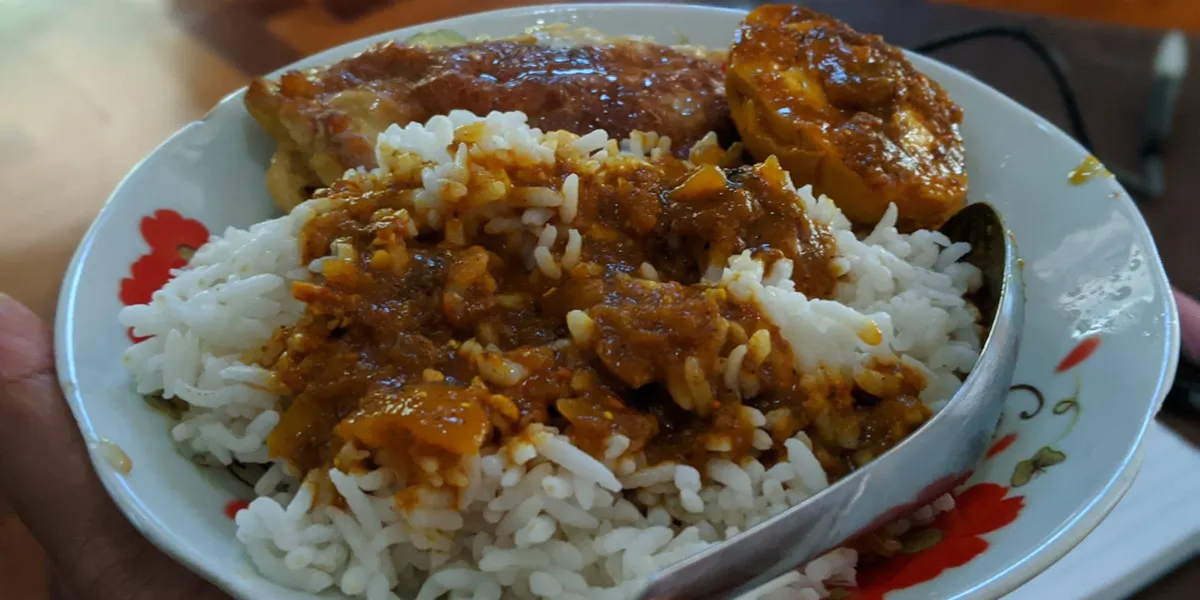
The phrase undersells it. A proper Sri Lankan rice and curry is a spread: a mound of rice surrounded by anywhere from four to a dozen small dishes — perhaps a chicken or fish curry, dhal simmered in coconut milk, young jackfruit cooked until it shreds like meat, beetroot, green beans, a mallum of shredded greens and coconut, crisp papadams. You take a little of everything and mix as you go; every mouthful can be different, and that's the point.
The non-negotiable companions are the sambols. Pol sambol — freshly grated coconut pounded with chilli, lime, onion and a whisper of Maldive fish — is the island's signature condiment, somehow perfect with everything. Seeni sambol is its sweet-savoury sibling: onions cooked down slowly with chilli and spices into a dark, jammy relish that transforms plain bread. Locals eat with the right hand, mixing rice and curries with the fingertips; cutlery is always available, but the hand method genuinely tastes better, and no one will bat an eyelid either way.
Hoppers: bowls you can eat
If Sri Lanka has a breakfast icon, it's the hopper (appa) — a fermented rice-flour and coconut-milk batter swirled in a small wok so it sets lacy and crisp at the edges and soft and spongy at the base. Order an egg hopper and an egg is cracked into the centre as it cooks; tear off the crisp rim and scoop up yolk and pol sambol together, and you'll understand the fuss. Sweet milk hoppers, with a spoonful of thickened coconut milk in the middle, finish the plate.
Their cousins, string hoppers (idiyappam), are delicate nests of steamed rice-flour noodles, stacked by the dozen and eaten — usually at breakfast or dinner — with dhal, coconut milk gravy (kiri hodi) and, inevitably, more sambol. Gentle, comforting, and a good morning landing for anyone still calibrating to the chilli.
Kottu roti: the sound of the night
You will hear kottu before you taste it. Every evening, across the island, cooks stand at hot griddles with two metal blades, chopping shredded godamba roti with vegetables, egg, meat and curry sauce in a fast, clanging rhythm that is part cooking, part percussion — the true soundtrack of a Sri Lankan night. The result is a hot, savoury, faintly chaotic pile of comfort food, best eaten late from a busy roadside place where the blades never stop. A cheese kottu is excessive and correct.
The deeper cuts
- Lamprais is a dish with a passport: a legacy of the island's Dutch Burgher community, descendants of colonial-era Dutch settlers. Rice cooked in stock is packed with a mixed-meat curry, ash-plantain, blachan and frikkadels (Dutch-style meatballs), wrapped in a banana leaf and baked, so the parcel opens in a cloud of perfumed steam. Sunday lunch heritage in a leaf.
- Jaffna-style crab curry is the north's masterpiece — fresh lagoon crab in a dark, fiery gravy built on roasted Jaffna curry powder and tamarind. It has migrated to menus in Colombo and the south coast, and it is worth ruining a shirt for.
- Short eats are the island's snack culture: glass cases of fish buns, egg rolls, vegetable patties and devilled cutlets in every bakery. The classic system is charmingly trusting — a plateful arrives, you eat what you like, you're billed for what's missing.
- Devilled dishes — chicken, prawns or cashews wok-tossed with capsicum, onion and a sweet-hot sauce — are the standard companion to a cold beer as the sun goes down.
Sweet endings and the fruit table
The island's definitive dessert is curd and treacle: thick buffalo-milk curd, tangy and cool, drowned in kithul palm treacle — smoky, caramel-dark syrup tapped from the flower of the fishtail palm. Simple and perfect. Wash it down (or start the day) with a king coconut (thambili) — the orange-husked coconut sold at every roadside, machete-opened to order, its water sweeter and gentler than the green varieties.
Then there's the fruit: mangoes in bewildering varieties, rambutan and mangosteen in their midsummer seasons, papaya with lime at every breakfast, tiny sweet bananas in a dozen kinds, and wood apple — a divisive, tamarind-ish curiosity worth trying at least once, ideally as a juice.
Where to eat — and an honest word about chilli
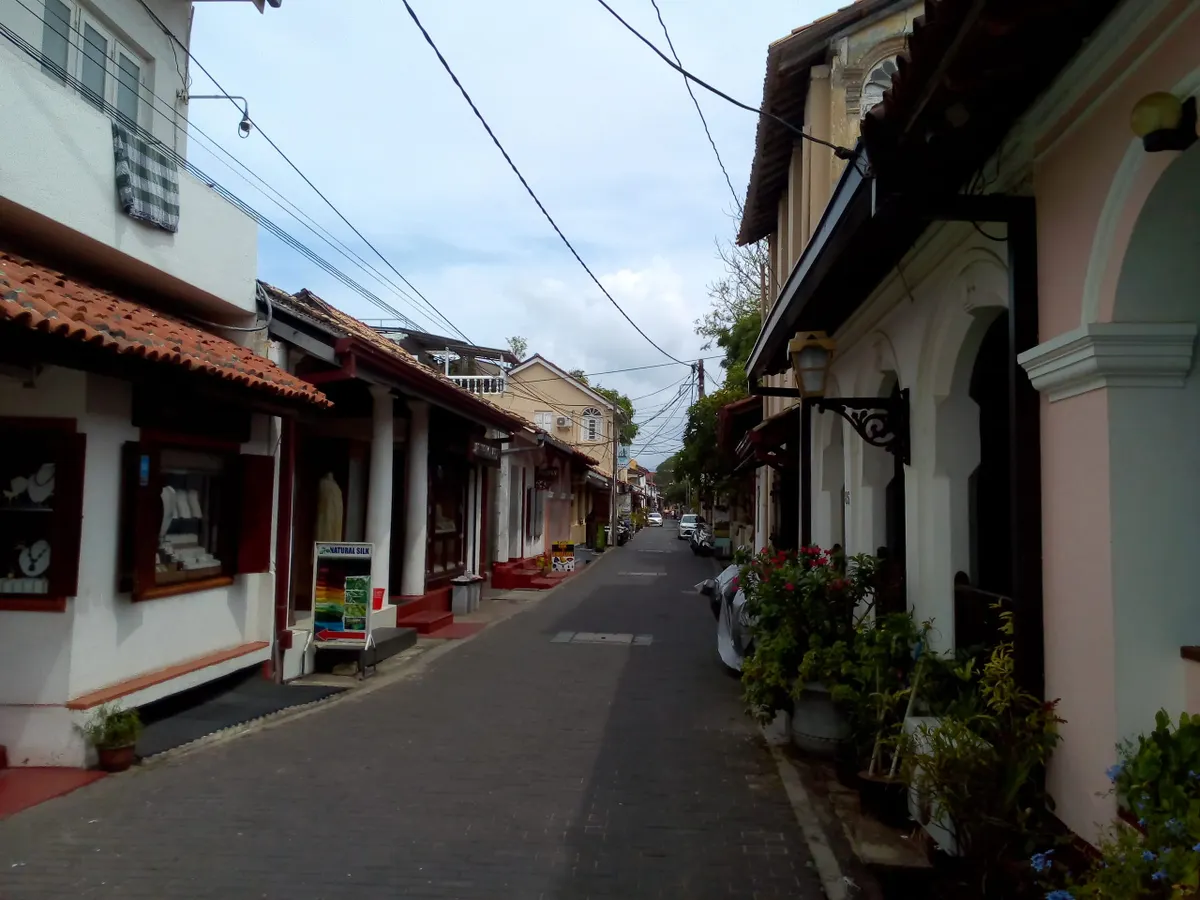
The golden rule: eat where the queue is local. Lunchtime rice-and-curry places — often tiny, often unnamed, sometimes just called a "hotel" (a linguistic quirk; they serve food, not rooms) — sell the day's spread fresh and cheap, and the food is usually leagues better than the muted versions at tourist buffets. Hotel buffets have their place after a long travel day, but treat them as the cover version, not the original. In Galle Fort and along the Mirissa strip, the seafood grills are the draw — pick your fish by pointing at it. And a street-food crawl through Colombo's night markets is the fastest education in the cuisine you can get.
Now, honesty: Sri Lankan food is hot — home cooking often hotter than anything a restaurant will risk serving you. Nobody is offended if you ask for "less spicy," and the coconut-milk dishes, dhal and string hoppers give chilli-cautious eaters plenty of safe harbour. Vegetarians, meanwhile, are in one of the easiest countries on earth: the rice-and-curry format is naturally vegetable-forward, jackfruit and dhal do heavy lifting everywhere, and asking for a vegetarian spread needs no explanation. Vegans mostly just need to watch for Maldive fish flakes hiding in sambols — ask, and cooks will happily point it out. For the practical side of eating well on the road — water, street-food sense and stomach care — see our travel tips guide.
Come hungry
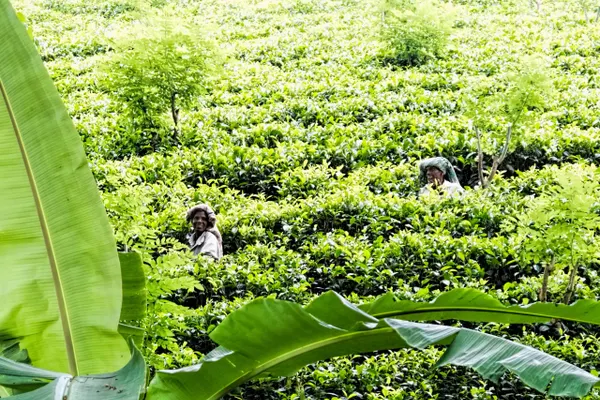
Food is woven through every route we run — estate lunches in the tea country, crab curry nights on the coast, hopper breakfasts before a Sigiriya climb. Every Explore Ceylon itinerary can be tilted toward the table: cooking classes, market walks, and drivers who know exactly which unnamed rice-and-curry shack is worth the detour. Browse our tours or tell us what you like to eat — we'll take care of the rest, second helpings included.
Weiterlesen